We're Automating Material Handling for ALL Industries
If you can measure or mix it, Ruiter Innovations can design an end-to-end system that increases your output and opens more possibilities for your operation.
Ruiter Innovations designs continuous flow automation systems that support efficient production from raw material intake through final loadout or packaging. Our custom-engineered solutions serve a wide range of industries—including feed mills, grain processing, food and ingredient manufacturing, brewing and distilling, agriculture, and bulk material handling—delivering precise metering, reliable throughput, and scalable system performance. Powered by advanced control platforms, our systems improve process accuracy, reduce manual handling, and maximize operational efficiency across modern production environments.
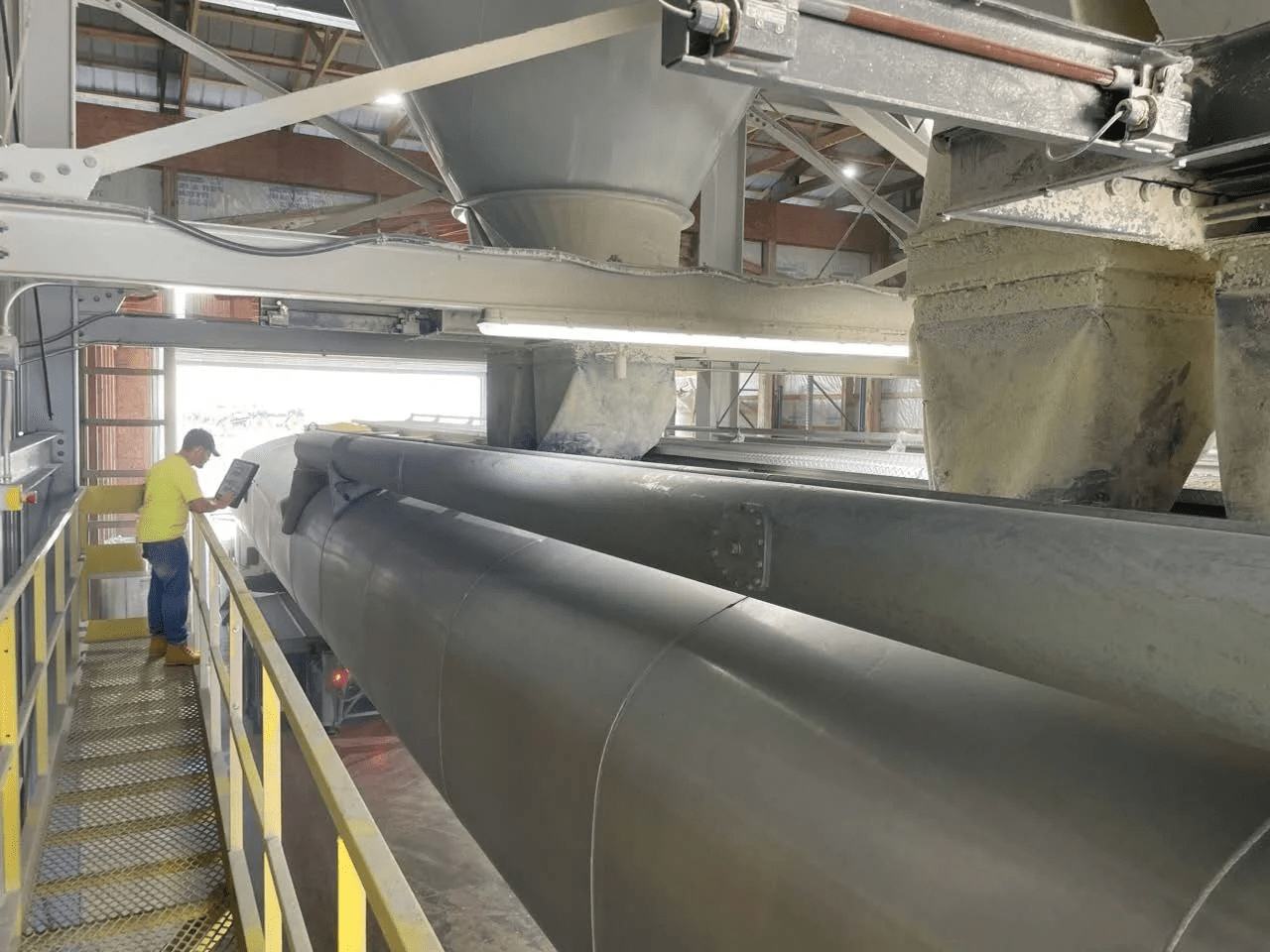
Pinicon Farm Takes the Path Less Traveled With Ruiter Innovations
Pinicon Farm was offically formed in 1981 by brothers Mark and Jim Koenigs. The roots of this northern Iowa family operation, however, go back to 1958 when the boys’ parents, Deo and Joan, purchased their first 190 acres.
Over the years, the family has deftly guided operations from focusing on dairy and general farming to strictly crop production and now integrated hog finishing. In 2005, Pinicon Farm got into the custom feeding business. It was this operation Mark and Jim were focused on improving when they connected with Ruiter Innovations. They had spent two years studying their options, visiting facilties around the Midwest and talking to mill owners and general contractors.
The Koenigs’ management mindset embraces “superior but novel solutions while the broader market waits on the sidelines.” This made them the perfect customer to work with Ruiter Innovations on an innovative feed mill concept.

Let’s work together to design a feed mill system that’s customized to meet the demands of your farm or commercial feed operation.
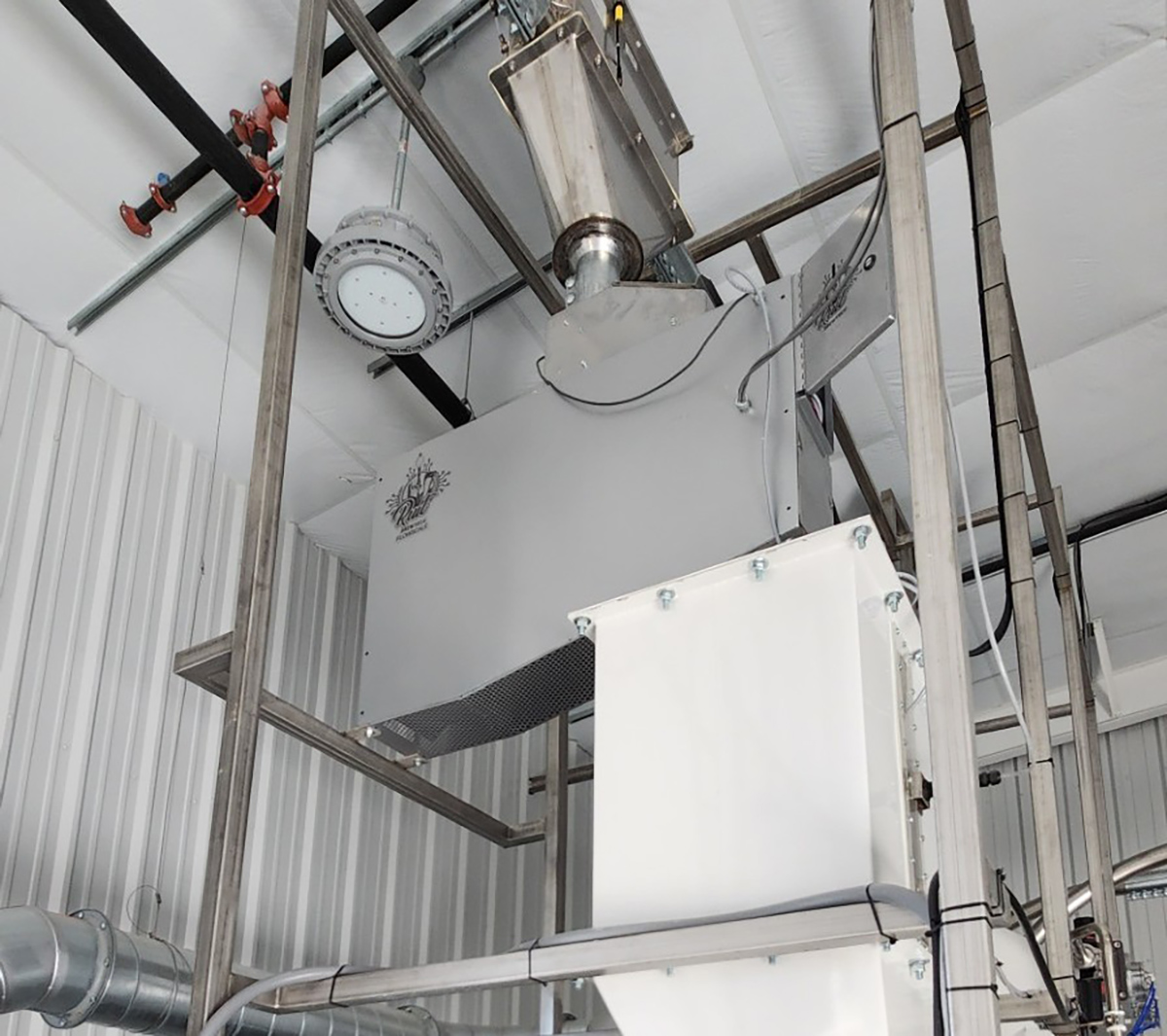
Ready to optimize flavor and output in your brewery? We’re ready to work with you to design an automated malt metering system that meets your unique needs.
Simultaneously take charge of entire processes with a custom-designed, USA-made control panel. We offer a wide range of user-friendly front-end solutions that are customizable for handling diverse materials. READ MORE
Engineering
Services
Ruiter’s team of process, mechanical, electrical, and automation engineers design start-to-finish systems. READ MORE
Technical Support
Services
From preventative maintenance to emergency and remote 24/7 support, we are here to help you. READ MORE
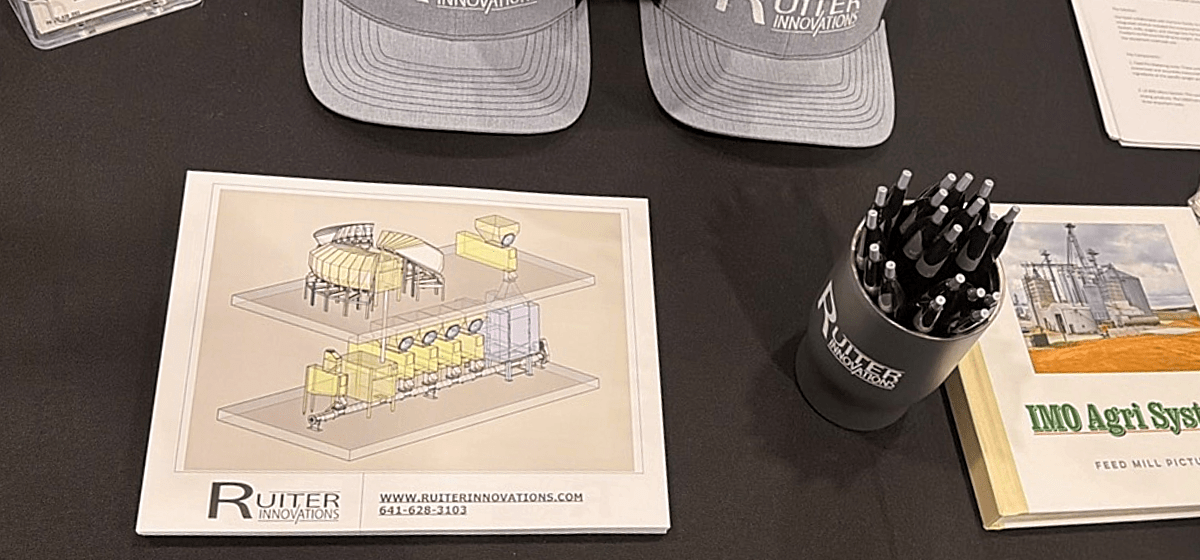
Nebraska Ag Expo
Dates: December 8–10, 2026
Ruiter Innovations Booth: 3103
Location: Sandhills Global Event Center, Lincoln, NE
Hours:
- December 8, 9:00 a.m.–4:00 p.m.
- December 9, 9:00 a.m.–4:00 p.m.
- December 10, 9:00 a.m.–3:00 p.m.